Sourcing and material risk, simplified.
Bring clarity to where your materials come from. Connect supplier information, sourcing evidence, and due diligence workflows to make more informed sourcing decisions.
Connected solutions for responsible material sourcing.
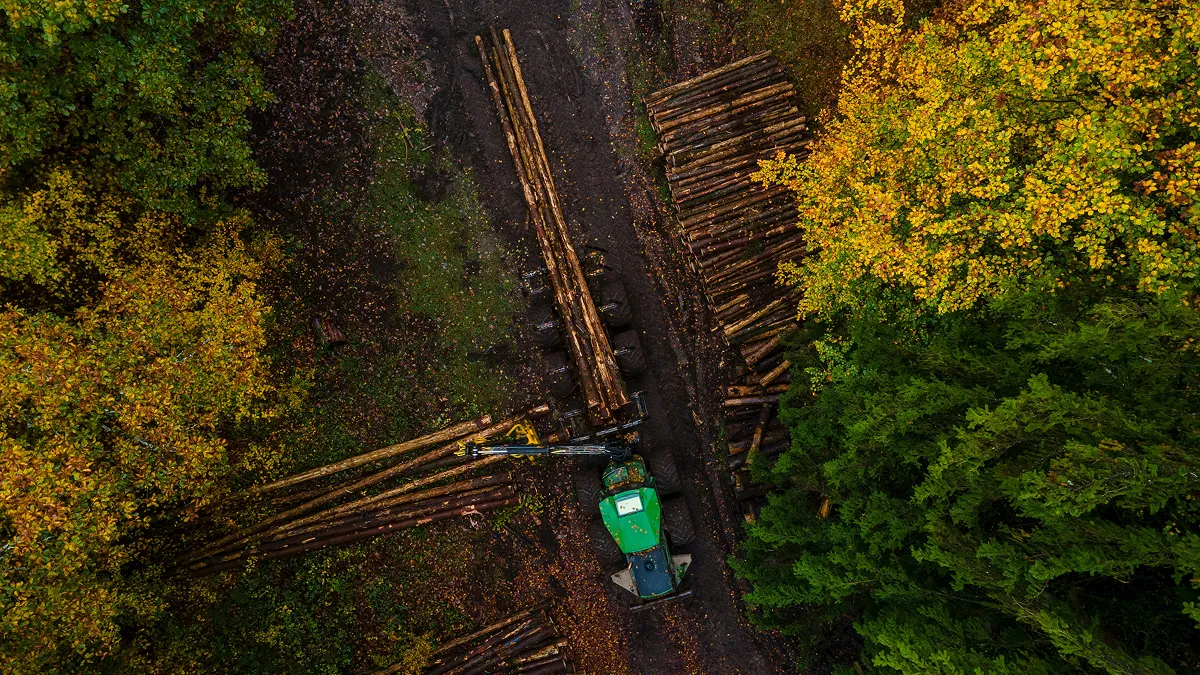
Trace material origins and give regulators proof, from minerals due diligence to deforestation-linked sourcing.
Bring clarity to material sourcing.
Know your sources.
Strengthen every sourcing decision.
Connect sourcing information
Bring supplier responses and material sourcing records together to give your team a more consistent view of upstream risk.
Focus your due diligence
Identify gaps in minerals and commodity sourcing information so you can prioritize the suppliers and materials that need review.
Simplify supplier engagement
Streamline data requests and reporting templates to collect the information your sourcing program needs with less manual follow-up.
Build a stronger evidence base
Organize supporting records to help explain sourcing decisions and respond to customer and stakeholder requests.
Make sense of sourcing and material risk
Explore how supplier information and due diligence can help you understand material origins and strengthen responsible sourcing.
How are global PFAS requirements changing?
PFAS compliance requires companies to identify regulated substances in products, gather defensible supplier evidence, and meet the reporting or restriction rules in every applicable market. The exact obligations vary by jurisdiction, product type, and effective date, so teams need a process that can adapt as requirements change.
Make informed sourcing decisions
Explore perspectives and practical guidance on minerals reporting, deforestation risk, and supply chain transparency.
Building Supplier and Data Readiness for Compliance Success
Whether you’re preparing for new product compliance mandates, expanding ESG reporting, or responding to growing customer requests, this session delivers practical guidance to improve both supplier readiness and internal data readiness.

Recorded Webinar: Navigating the PPWR
Understand where materials come from. Connect supplier data, strengthen due diligence, and manage sourcing risk with Source Intelligence.

Arla Foods EPR Compliance Case Study
Download the case study to see how Arla Foods centralized EPR obligations across five markets and recovered a $1M+ credit from Sweden.
Connect sourcing to the bigger picture
Bring material-origin insights together with chemical compliance, supplier practices, and product lifecycle planning.
Chemical and Substance Risk
Understand your responsibilities for packaging, batteries, and products after use. Bring together the data needed to support reporting, recovery, and end-of-life requirements.

Sourcing and Material Risk
See where component obsolescence and availability could disrupt production. Identify at-risk parts early so your team can assess alternatives and plan ahead.

Business Continuity Risk
See where component obsolescence and availability could disrupt production. Identify at-risk parts early so your team can assess alternatives and plan ahead.

Cicularity and End-of-Life Risk
Understand your responsibilities for packaging, batteries, and products after use. Bring together the data needed to support reporting, recovery, and end-of-life requirements.

Supplier Behavioral Risk
Understand whether supplier practices align with your standards for responsible business conduct. Connect assessments, supporting evidence, and follow-up actions to address gaps.

Source with greater confidence.
See how Source Intelligence can help your team organize sourcing evidence, improve supplier engagement, and focus due diligence where it matters.